Fire Damage · September 6, 2026
What to Do Immediately After a House Fire
Once the flames are out, a second kind of damage is already starting — from smoke, soot, and the water used to fight the fire.
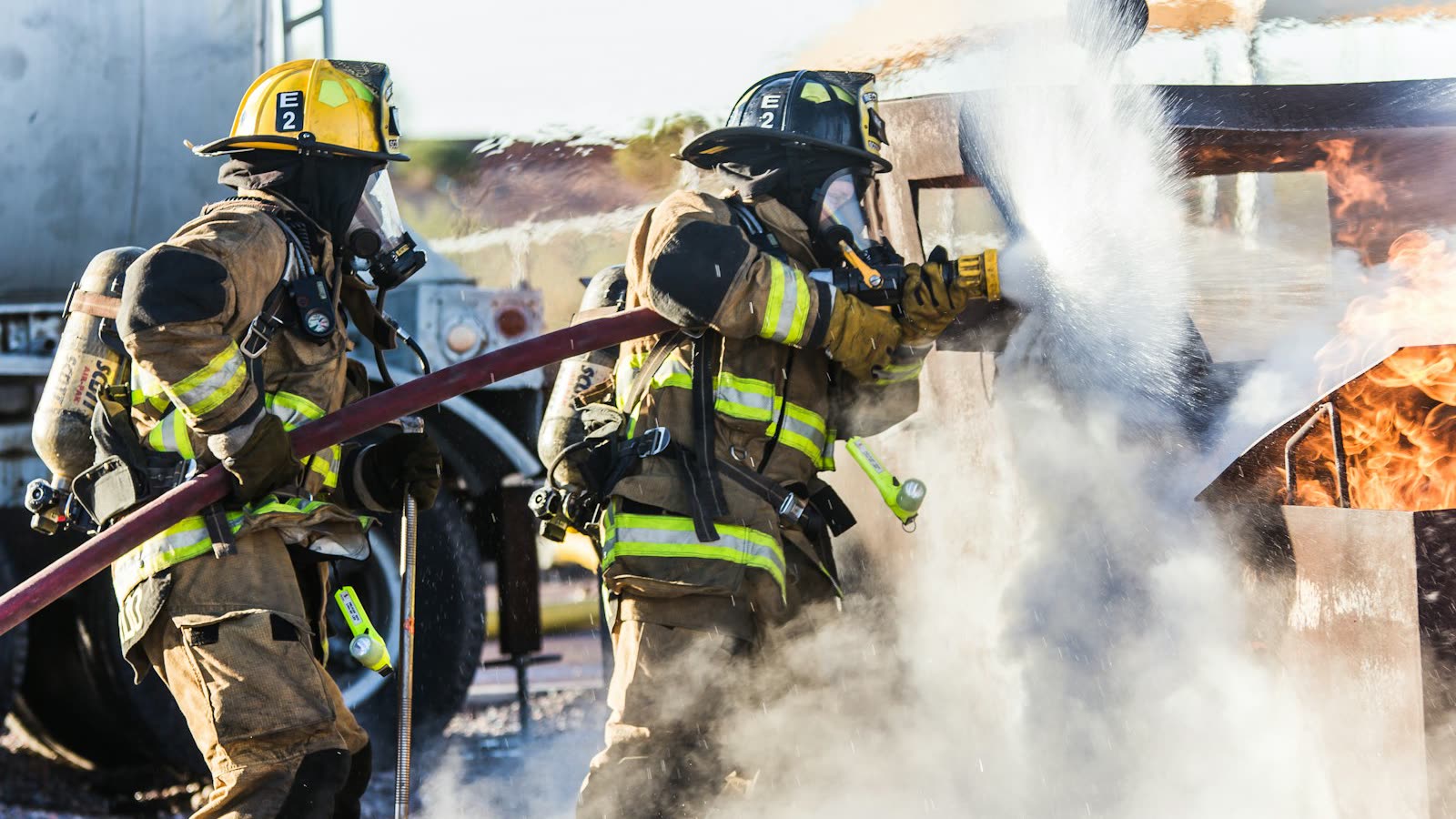
A house fire doesn't stop causing damage the moment the flames go out. Smoke and soot continue to react with surfaces, and the water used to extinguish the fire has to go somewhere — usually into flooring, drywall, and insulation. What you do in the first few hours after a fire has a real effect on how much can be saved.
1. Wait for the official all-clear
Don't re-enter the property until the fire department confirms it's safe. Weakened floors, compromised roof structures, and lingering carbon monoxide are common after a fire and aren't always obvious from the outside.
2. Avoid touching soot-covered surfaces
Soot is acidic and can etch into fabric, countertops, and finishes within hours, and wiping it with the wrong material often smears it deeper into the surface rather than removing it. It's usually better to leave soot-covered items alone until a professional can assess and clean them properly.
3. Document the damage before anything is moved
Photograph and video every room, including areas that look untouched by flame but may have smoke or water damage. This record is what your insurance adjuster will use, and it's much harder to reconstruct after cleanup has started.
4. Remember: firefighting water needs the same urgency as a flood
This is the detail people miss. Large amounts of water are used to put out even a small fire, and if that water isn't extracted and the area properly dried, mold can begin growing within 24-48 hours — turning a fire recovery into a mold problem as well. Fire restoration and water extraction usually need to happen together, not one after the other.
5. Secure the property
Broken windows, damaged doors, or an exposed roof section leave the property vulnerable to weather and unauthorized entry. Board-up and tarping services protect what's left while repairs are being arranged.
6. Call your insurance company, then a restoration company
Report the fire to your insurer as soon as possible, and look for a restoration company that handles both fire damage and water mitigation, and that will bill your insurance directly. That combination avoids the gap where smoke and soot get treated but the water damage underneath doesn't, or vice versa.
Dealing with fire damage right now?
We handle fire, smoke, and the water damage that comes with it — together, not separately.
Call 754.802.9355