Water Damage · October 16, 2026
The Hidden Dangers of DIY Water Damage Cleanup
Grabbing a mop and some towels feels like the responsible first move. Sometimes it is. Sometimes it's how a one-day fix turns into a six-week one.
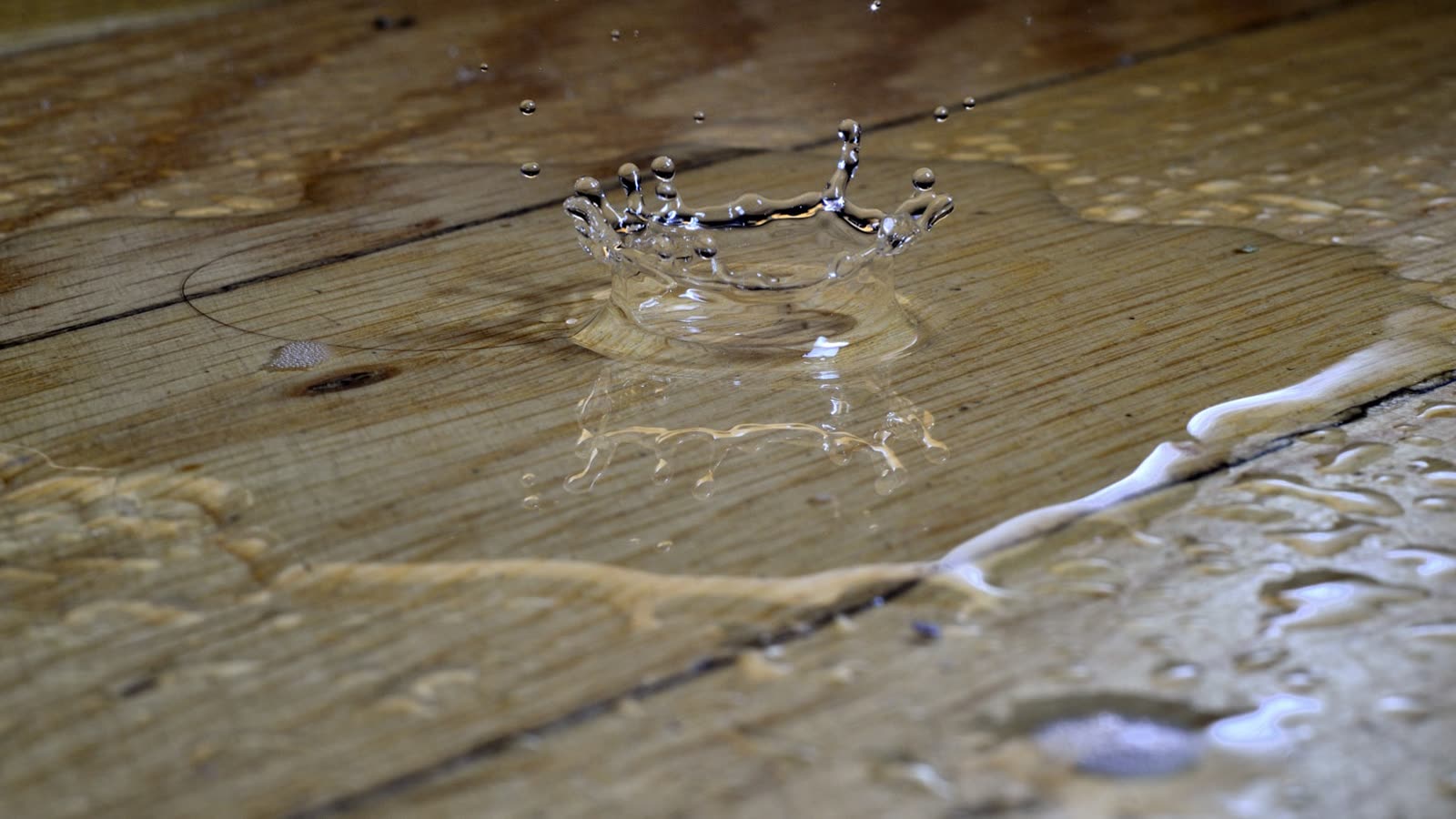
When you find water on the floor, the instinct to clean it up yourself right away is a good one — speed matters. But there's a difference between stopping the water and actually drying out a home, and that's where DIY cleanup quietly goes wrong. It's not that homeowners are careless. It's that the real risk of water damage is almost always invisible, hiding in places a towel and a fan can't reach. Here's what to watch for before you decide to handle it yourself.
The water you can see is rarely all of it
Water doesn't stay where it lands. It wicks sideways under baseboards, seeps down through flooring seams, and travels into wall cavities well beyond the wet spot on your floor. By the time carpet or hardwood looks dry on the surface, the subfloor or drywall underneath can still be holding moisture. Without a moisture meter, there's no reliable way to know — and "it looks dry" is exactly the assumption that lets a small leak turn into a bigger repair weeks later.
Surface drying isn't the same as structural drying
Fans and a household dehumidifier can handle a small, clean spill that gets wiped up within an hour. They generally can't pull moisture out of saturated drywall, insulation, or subfloor fast enough to beat the clock. Mold can begin growing within 24-48 hours of material staying wet, and in South Florida's heat and humidity that window doesn't get any more forgiving. If you're relying on open windows and a box fan for anything beyond a minor spill, you're likely losing that race without realizing it.
Not all water is safe to clean up with bare hands
Water from a clean supply line is one thing. Water from a toilet backup, an appliance that's been sitting for days, or outside flooding is another — it can carry bacteria and contaminants that aren't safe to handle without the right protective equipment. If you're not sure what category the water falls into, treat it as contaminated until you know otherwise, and don't let kids or pets near the area.
Carpet and padding can hide the problem instead of solving it
Renting a carpet cleaner or running a wet/dry vacuum over soaked carpet can pull up visible water while leaving the padding underneath saturated. Padding holds moisture far longer than carpet fiber does, and it's rarely replaced during a DIY cleanup because it's out of sight. That trapped moisture is one of the most common sources of a musty smell showing up a week or two after everyone thought the problem was handled.
Electrical and structural risks aren't always obvious
Water near outlets, light fixtures, or an electrical panel is a real hazard, even after the visible water is gone — dampness inside a wall can linger near wiring long after the floor feels dry. Swollen baseboards, soft drywall, or warped flooring are signs the material has absorbed more water than a quick cleanup addressed, and left alone, they can compromise the structure underneath long before it's visually obvious.
It can complicate your insurance claim, not just your repair
Most homeowner policies expect documentation of the damage before repairs start, and expect reasonable steps to prevent it from getting worse. A rushed DIY cleanup — especially one that disposes of damaged materials before photos are taken — can make it harder to support a claim later. For more on what's typically covered, see our guide on what homeowners insurance covers and why water damage claims get denied.
When DIY cleanup is genuinely fine
- A small, clean-water spill — a knocked-over glass, a minor overflow — that you catch and dry within an hour or two.
- No water reached flooring seams, baseboards, or drywall.
- You're confident the source was a clean supply line, not a drain, appliance, or outside flooding.
Anything beyond that — standing water for more than a few hours, an unknown source, or a musty smell that shows up afterward — is worth a second look from someone with the equipment to actually confirm the area is dry, not just assume it. All Damage Restoration responds 24/7 across Broward and Palm Beach County with a 45-minute average response time, and we bill your insurance company directly so documentation and drying happen at the same time, not one after the other.
Not sure if it's really dry?
A free inspection with a moisture meter tells you for certain — before mold has a chance to start.
Call 754.802.9355