
Water Damage · November 1, 2026
How a Small Leak Becomes a $20,000 Repair
It starts as a damp spot under the sink or a faint stain on the ceiling. Here's how something that small turns into a five-figure job, and how to catch it before it does.
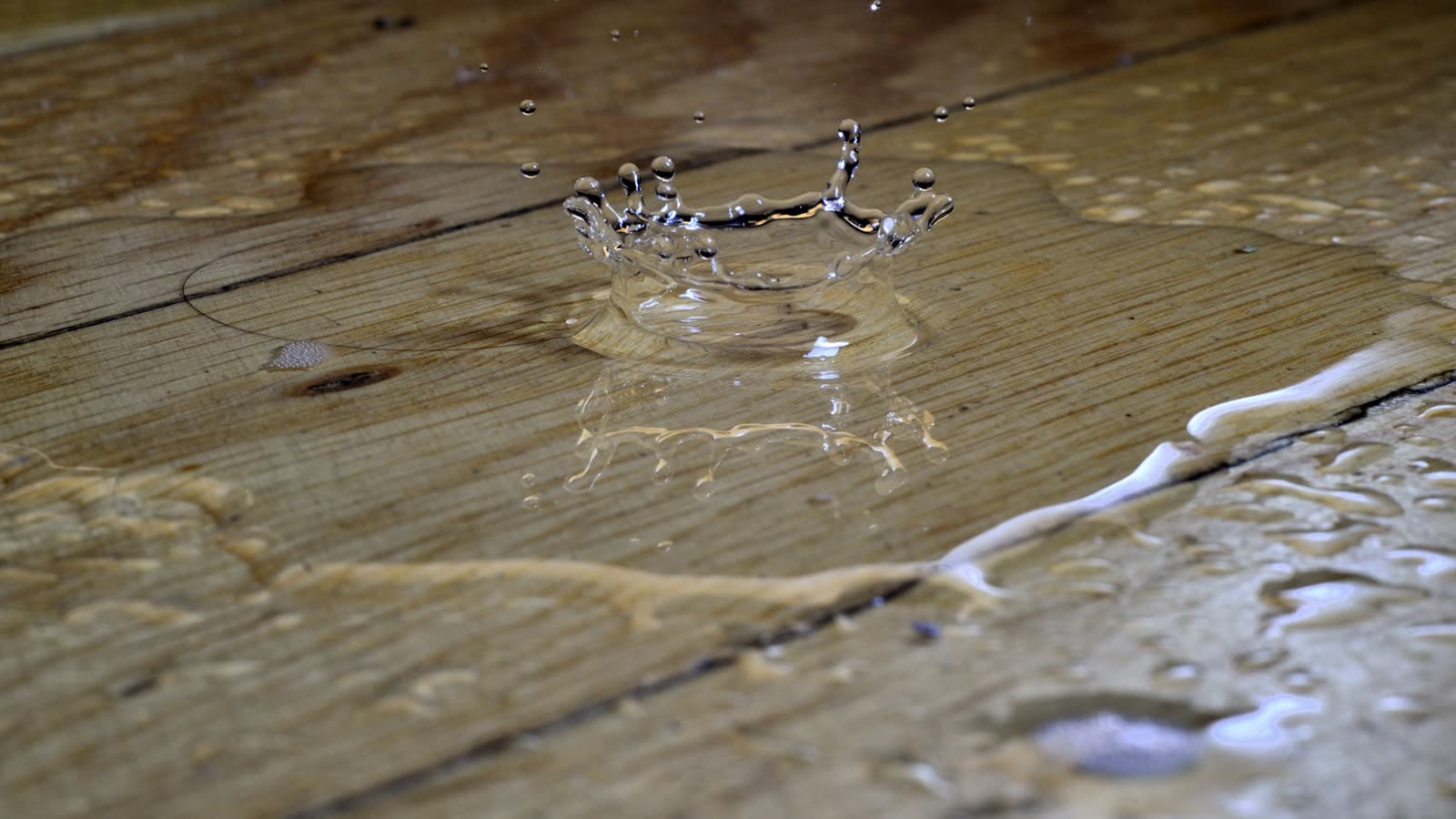
Most homeowners don't panic over a small leak. A little water under the kitchen sink, a drip from a supply line, a faint ring on the ceiling below the upstairs bathroom — it looks like a $150 plumber visit, not an emergency. That instinct is usually right at first. The problem is what happens when that same small leak keeps going for weeks or months without anyone noticing, because in Florida's heat and humidity, slow and hidden is exactly how water damage turns expensive.
Why a Small Leak Doesn't Stay Small
A burst pipe gets noticed in minutes because water is everywhere. A slow leak behind a cabinet, under a slab, or inside a wall doesn't announce itself the same way. It drips a little, soaks into wood or drywall, and keeps going — often for weeks before anyone sees a stain or smells anything off. By the time it's visible, the water has usually already done the expensive part of the damage: softened subflooring, rotted framing, or started mold growth inside a wall cavity where no one can see it.
The Timeline: How a $150 Fix Becomes a $20,000 Job
Cost doesn't climb in a straight line — it jumps at specific points as the damage spreads from "fixable" to "replace it":
- Days 1-2: The leak starts. At this stage it's usually just a part — a supply line, a seal, a fitting — and a repair costs a few hundred dollars at most.
- Days 2-4: Mold can begin growing in wet materials within this window, especially in a warm, humid South Florida home. This is the point where the job quietly shifts from "plumbing repair" to "plumbing repair plus remediation."
- Weeks 1-4: Subflooring, cabinetry, and drywall absorb enough moisture to start warping, swelling, or staining. Mold can spread inside wall cavities that look completely normal from the outside.
- Months 1-3+: Wood framing can soften or rot, tile and flooring need to come up, and mold remediation may require removing and rebuilding entire sections of wall. This is where a job that started as a part replacement turns into a five-figure reconstruction project.
Where These Leaks Usually Hide
The leaks that cause the most damage are rarely the dramatic ones. They're the quiet ones in places nobody checks regularly:
- Under kitchen and bathroom sinks, behind the supply lines and drain traps
- Behind or underneath washing machines and water heaters
- AC drain lines and evaporator coils — see our guide on why an AC unit leaks water if yours has ever pooled near the indoor unit
- Roof flashing, around vent pipes, and at skylights, where a small gap lets water in only during certain storms
- Slab leaks, where a pipe under the foundation leaks into the ground and the first sign is often just a warm or damp spot on the floor
Why Insurance Often Won't Cover the Full Bill
This is general information, not insurance advice. Always confirm the specifics of your coverage with your insurance agent or a copy of your policy.
This is the part that catches people off guard after the damage is already done. Homeowners insurance generally covers sudden, accidental water damage well — a pipe that bursts, an appliance that suddenly fails. Gradual damage from a leak that went on, unnoticed, for weeks or months is a different story. Many policies limit or exclude coverage for damage caused by a "continuous or repeated" leak, on the theory that a homeowner should have discovered and fixed it sooner. We cover the mechanics of this in more detail in why insurance companies deny water damage claims — but the short version is: the earlier a leak is caught and documented, the better your chances of the claim holding up.
Signs You Might Already Have a Leak You Haven't Found Yet
- A musty smell in a specific room or closet that wasn't there before
- A water bill that's noticeably higher with no change in usage
- Flooring, baseboards, or cabinet bottoms that feel soft, warped, or swollen
- A ceiling or wall stain, even a faint one, especially below a bathroom or near plumbing
- Peeling paint or bubbling drywall near a sink, tub, or water heater
What to Do If You Suspect a Hidden Leak
Don't wait to "see if it gets worse." Shut off the water to the affected fixture if you can do so safely, and take photos of anything you notice before touching or cleaning it. A moisture reading behind a wall or under a floor tells you far more than a visual check, and it's the difference between catching a problem at the $150 stage or the $20,000 stage. A free inspection can tell you in minutes whether what you're looking at is cosmetic or something that's already spread further than it looks.
All Damage Restoration responds 24/7 across Broward and Palm Beach County with a 45-minute average response time, and we bill your insurance company directly when a claim applies. If something in your home has you second-guessing a stain, a smell, or a water bill that doesn't add up, it costs nothing to have it checked before it turns into the kind of repair nobody budgets for.
Noticed a stain, smell, or damp spot?
Catch it while it's still a small repair. Free inspection, 24/7.
Call 754.802.9355